How to choose a group tour for your office or community
A smooth group tour starts with careful planning. Here is what office and community organisers need to decide, from purpose and budget to the key questions to ask a travel agency.
Published September 29, 2026

Start with the purpose, not the destination
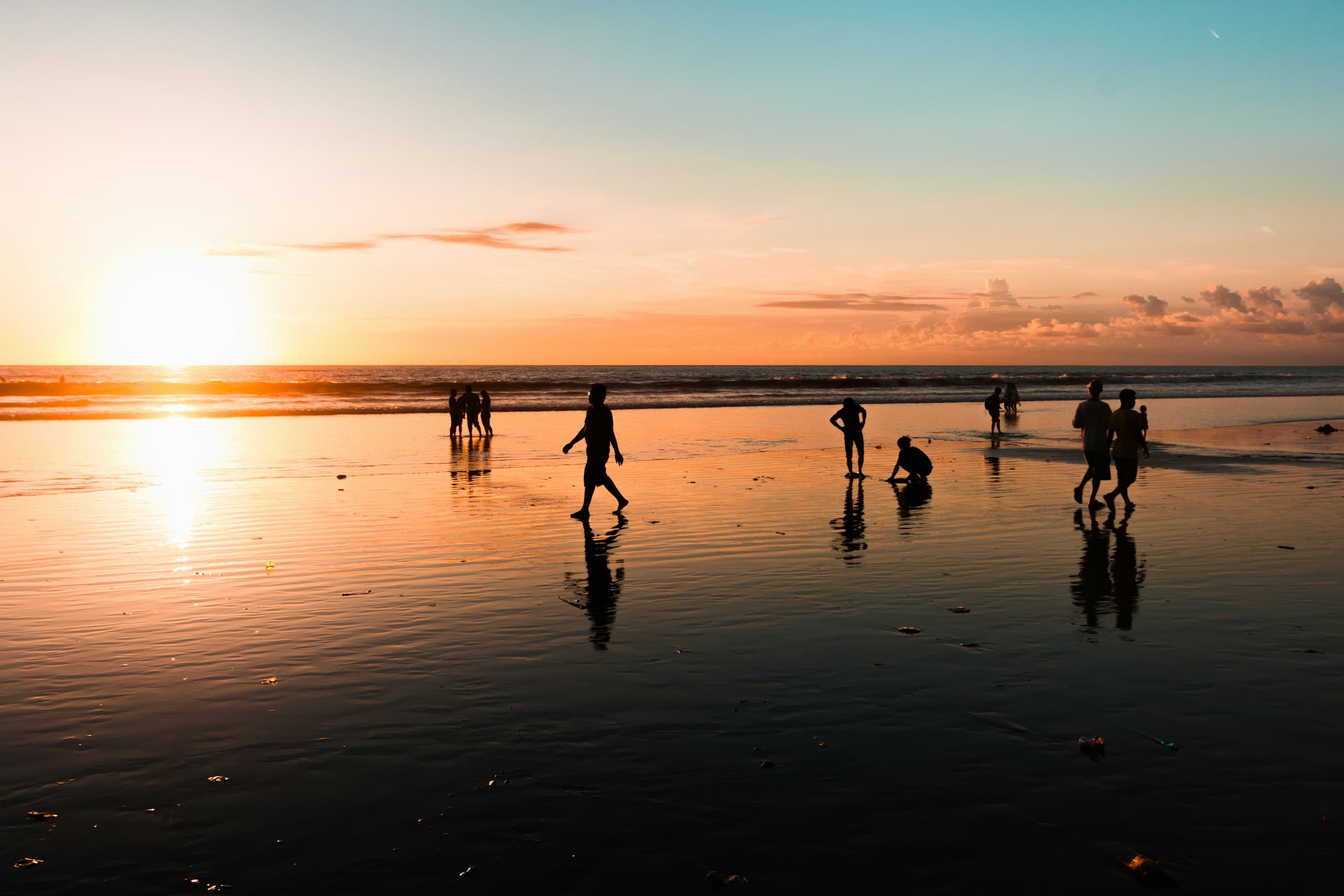
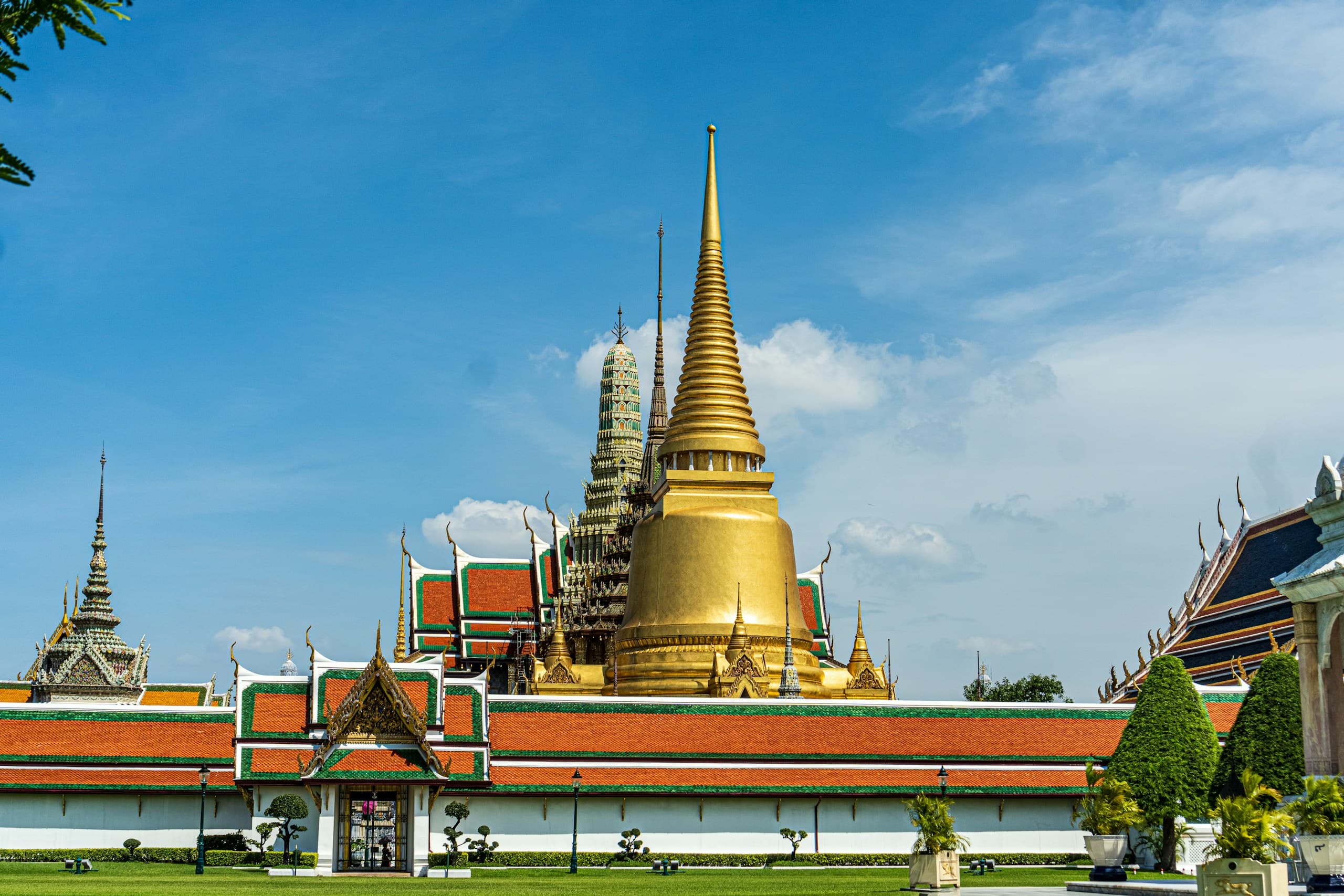
Before comparing Bali, Yogyakarta or Bangkok packages, organisers should agree on why the trip is happening. Is it a reward for staff, a way to bring teams from different departments together, a community's annual outing, or travel combined with a planning meeting? Different goals lead to different schedules, hotels and activities.
For a reward trip, people usually value downtime and comfort. For team building, set aside dedicated time for games or group sessions. If there is a meeting on the agenda, make sure the hotel has a suitable room and that sightseeing is not so packed that everyone arrives exhausted.
Set the budget and decide what is covered
The budget shapes almost everything: domestic or international, trip length, hotel class and mode of transport. Fix a figure per person early on, then decide which items the company or community fund will pay for and which are personal expenses.
Be clear about family members too. Many offices let partners or children join at their own cost, which affects the number of rooms, vehicle seats and the kind of activities that make sense.
- Return transport and getting around at the destination.
- Hotels, including the room mix (twin, double or triple).
- Meals: how many a day, and whether there is a special dinner.
- Entrance tickets and optional activities.
- Photography, banners, matching T-shirts or event supplies.
- A contingency fund for the unexpected.
Headcount, dates and transport
An accurate participant list is the foundation of every booking. Collect confirmations as early as you can and set a clear deadline. Headcount affects coach size, number of rooms and sometimes the price per person, since many group packages have a minimum group size.
Choose dates that do not clash with year-end closing, busy operational periods or public holidays. Avoid peak holiday seasons where possible, as hotels and flights fill up faster. For international trips or anything involving flights, plan several months ahead so there is time to sort out documents.
For road transport, ask about the capacity and condition of the vehicles, including luggage space. For group flights, note that group tickets usually come with their own payment schedule, name submission deadline and change policy, which differ from individual tickets.
Build a realistic itinerary
A common mistake is cramming too many stops into one day. Groups move more slowly than individuals: getting on and off the coach, queues for the toilet, meals together and group photos all take time. A relaxed itinerary actually makes the trip more enjoyable.
Leave some free time so people can rest or shop according to their own interests. Schedule the main event, such as a gala dinner or team-building session, on a day that does not start with a long journey.
Keep the mix of participants in mind as well. A company or community group usually includes people who love physical activities, others who prefer food and shopping, and some travelling with young children or older parents. A good itinerary offers choices, such as optional afternoon activities, so everyone feels looked after.
- Allow a buffer of around 30 to 60 minutes between major activities.
- Set clear meeting times and one easy-to-find meeting point.
- Have a bad-weather backup for outdoor activities.
- Share the final itinerary with every participant before departure.
The role of the tour leader and your internal team
The agency's tour leader handles the practical side of the trip: coordinating with hotels, drivers and local guides, keeping to the schedule and sorting out problems on the ground. On international tours, the tour leader also helps the group through the airport and immigration.
Even so, you still need an internal team to act as the link with participants. Appoint one or two coordinators who hold the participant list, emergency contacts and any special health information. Clear roles stop mixed messages and make decisions on the ground much faster.
Key questions to ask a travel agency
When comparing quotes, do not look at the price per person alone. Two packages at a similar price can include very different things. Ask for a written quote that lists what is and is not included, then ask the following.
- What exactly is included and excluded, such as entrance fees, tips and taxes?
- Which hotels will we stay in, in which area, and what is the room mix?
- What is the payment schedule, final payment deadline, and policy on cancellations or changes in headcount?
- Will a tour leader travel with us from departure, and how many?
- Is the trip covered by insurance, and what does it cover?
- Can the itinerary be adjusted around internal events like meetings or a gala dinner?
Documents to prepare
For domestic trips, adults generally only need their national ID card, while children need whatever identification the airline or hotel asks for, such as a child ID card or birth certificate. For international trips, make sure each passport is valid for at least six months from your return date, and check with official sources whether your destination requires a visa.
Organisers should keep copies of participants' documents, a list of emergency contacts, and notes on allergies or special health needs. Gather this information well ahead of time so there is room to fix misspelt names or renew passports that are about to expire.
Talk to us about your group trip
Bunga Wisata, based in Karangploso, Malang, arranges group tours for companies, institutions and communities, including gatherings and corporate events, to destinations in Indonesia and abroad. We can help you draft the itinerary, work within your budget and suggest destinations that fit the purpose of your trip.
Tell us your group size, rough dates and budget on WhatsApp at +62 812-3390-9129, and we will help you put together a detailed quote.